
/ˈdʒæpaʊ/ noun
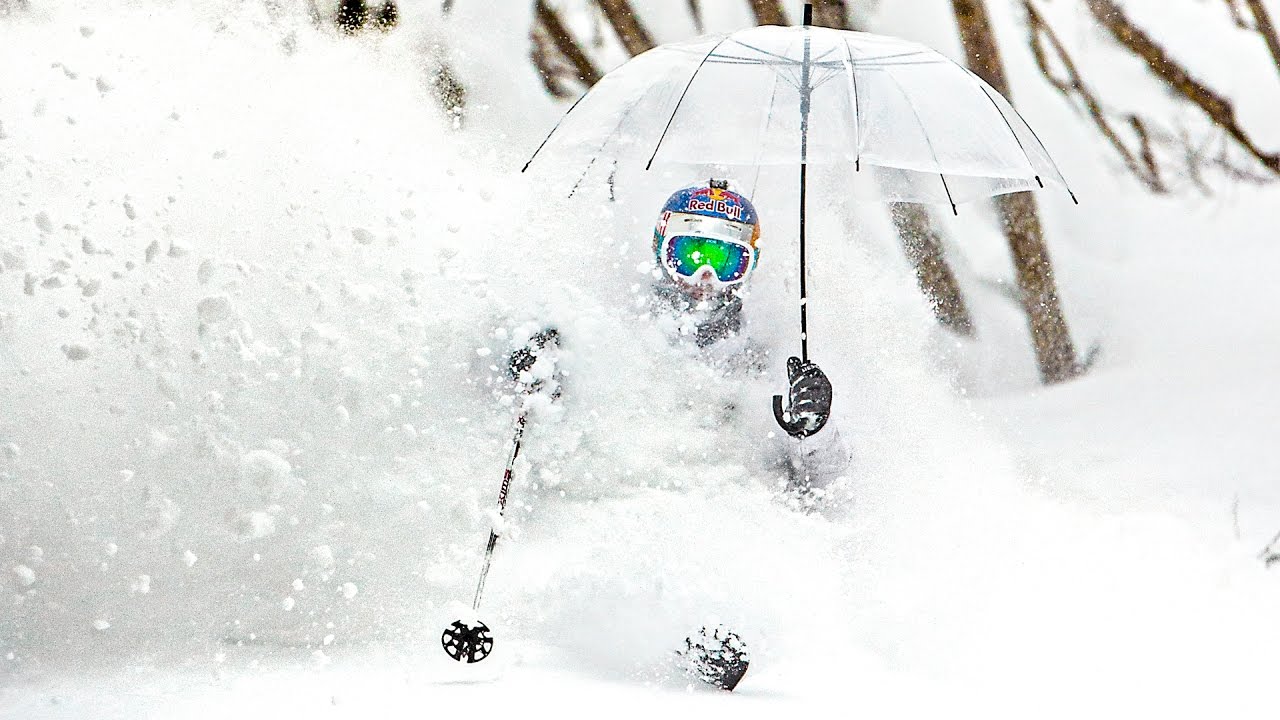
Definition: Powder skiing in Japan, which is supposedly unsurpassed…until this year. It just began to snow in late January, disappointing thousands who had travelled to the Nagano area for the ultimate ski experience.
Etymology
A term popularized by international ski culture and social media to describe the unique meteorological phenomenon found in Japan. It is created when cold Siberian air masses pick up moisture over the Sea of Japan and collide with the Japanese Alps. This results in “aspirin snow”—snow with extremely low moisture content (typically 4–8%)—that provides a weightless, “floating” sensation for skiers and snowboarders.
Reported in by Sandy Briggs who left a Colorado resort to be a ski instructor in Japan for 3 months. As of yesterday he says he is “still waiting to experience the fabled Japow”
Usage
Context: Used by winter sports enthusiasts to categorize the ultimate “bucket list” skiing experience. While traditionally synonymous with consistent, heavy dumps of snow throughout “Japanuary,” the term is increasingly used to discuss the volatility of modern winters. This year, the legendary Nagano and Niigata areas faced a grueling “dry spell” early in the season, with significant snowfall only arriving in late January—far too late for thousands of travelers who had planned their trips around the once-guaranteed early-season powder.
In a sentence: “We flew all the way to Hakuba for the Japow, but until that storm hit in late January, we were mostly just skiing on existential despair.”